P&P Golf Outing, Non-Rallye, and Picnic – 2011

wp_dsc04908 July 9, 2011

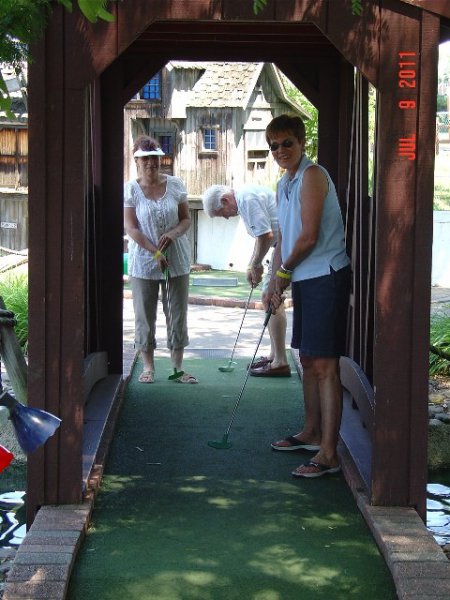
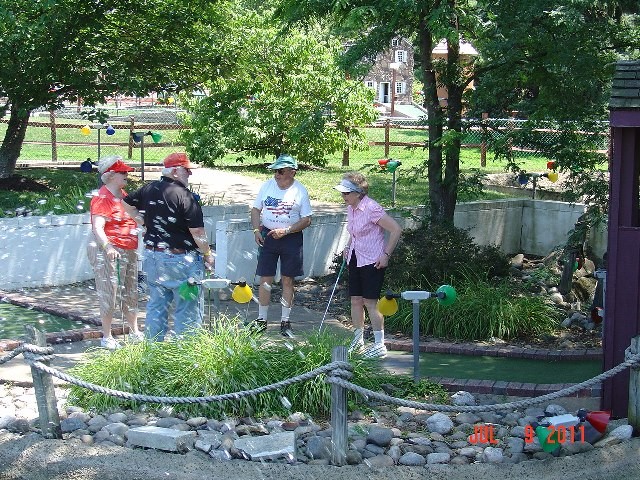
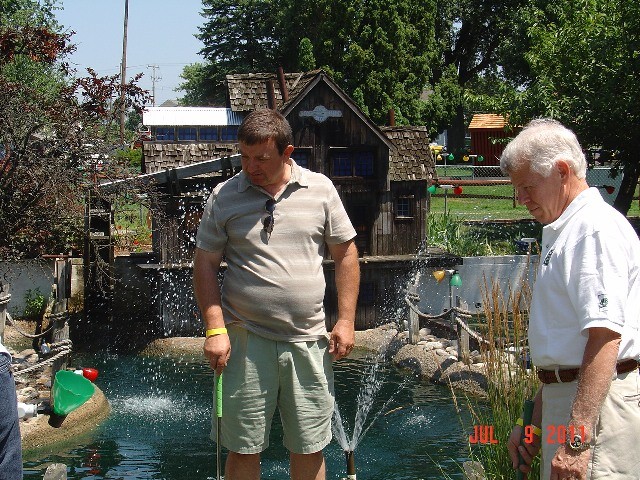
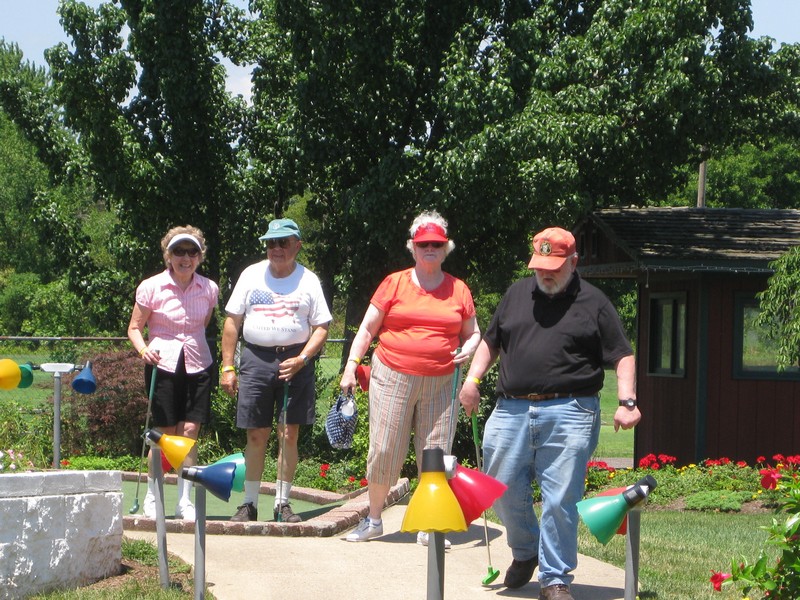
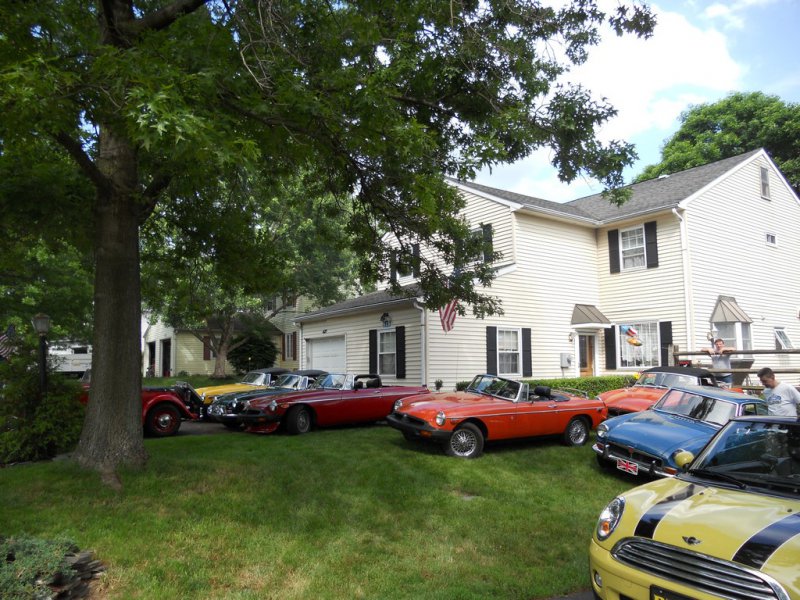
Those Phillips members sure had Mother Nature on their side for this year’s event.  One couldn’t ask for much better top-down weather or for hitting the miniature links at Waltz’s Golf Farm in Limerick, PA.

Host Lew Phillips and his lovely daughter, Kris, greeted every participant with a smile and the choice of golf courses or driving range.  After golf and lunch it was time for the Non-rallye drivers’ meeting.

Host, Paul Phillips, handed out the directions for one of the most perilous tests of odometers devised by man.  The team closest to the official route mileage would add their name along with past luminaries of the event, Rippert, Goelz, Hughes, Comley, and Alzamora.  Last year the rain gods claimed the prize.

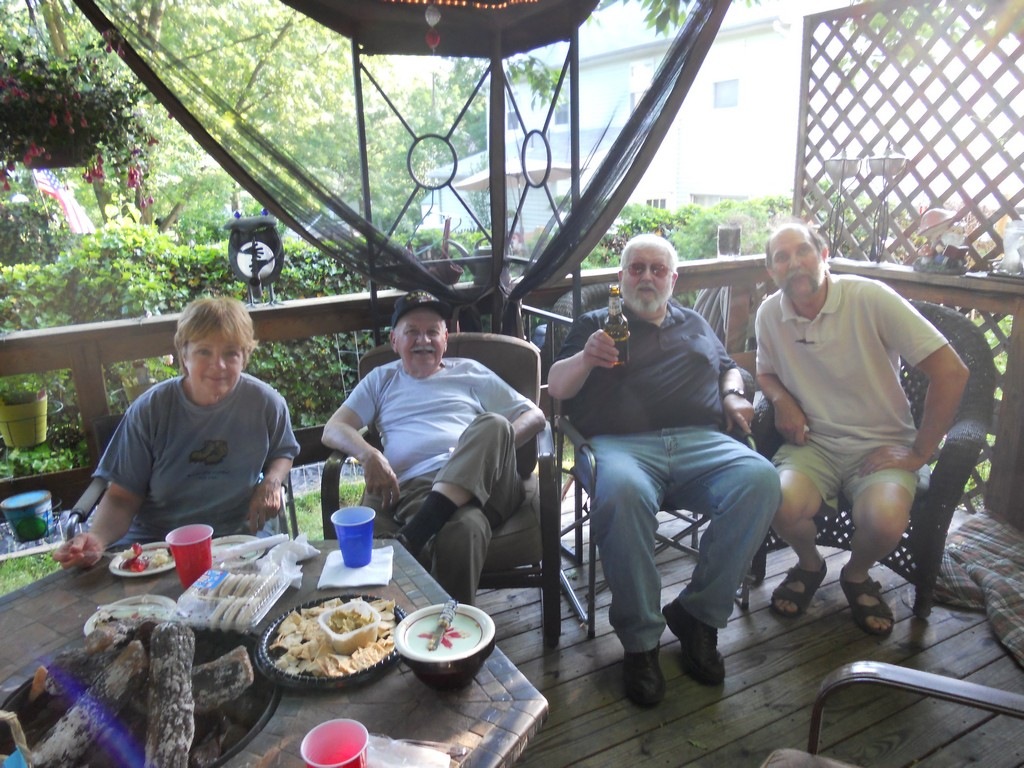
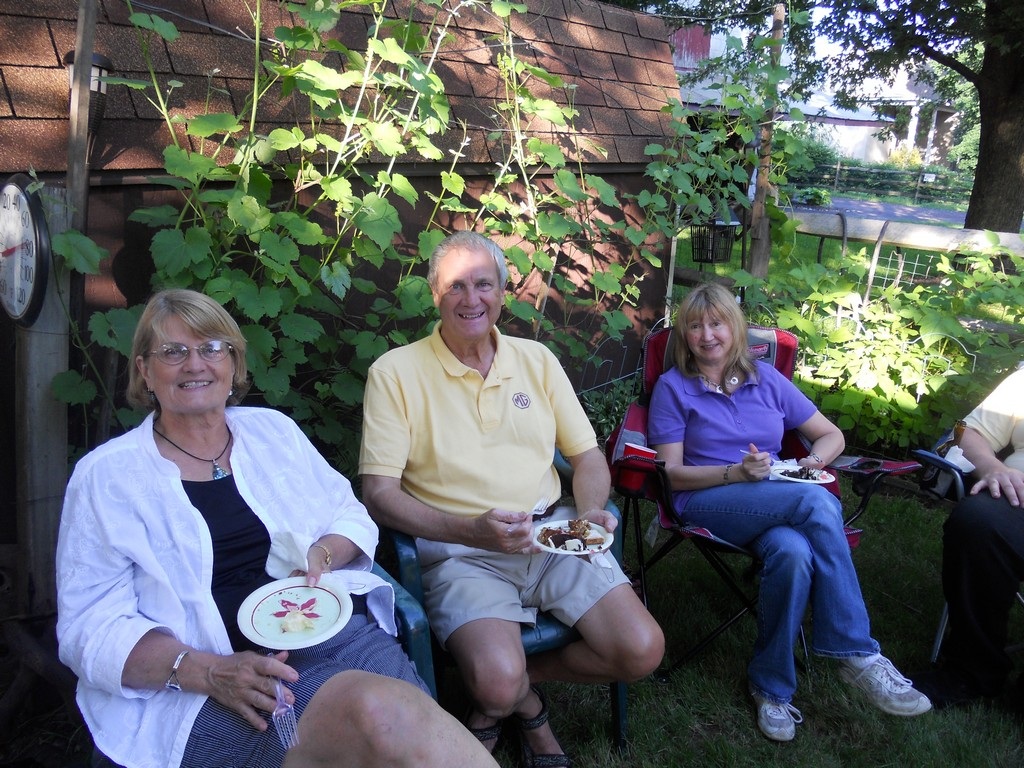
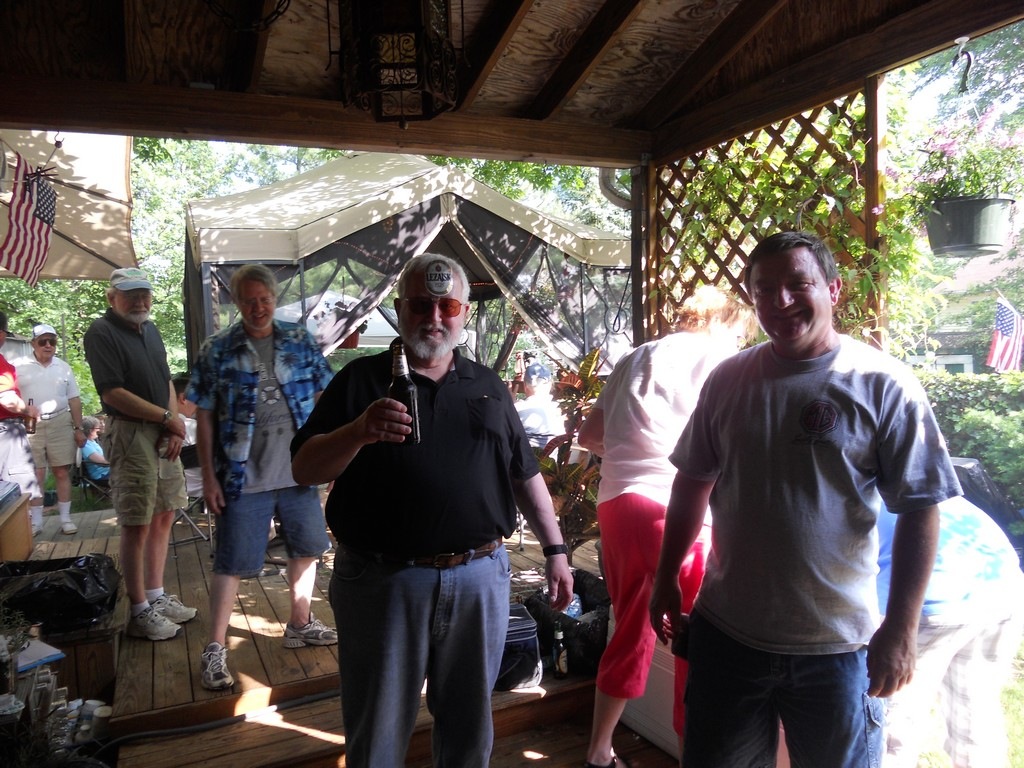
As the teams sallied forth, hostess, Evonna Phillips and son, Logan, made haste to their house for final prep work on the picnic.  Soon the intrepid teams wound their way to the finish where a wide choice of beverages waited to assuage the ordeal.

Once all members gathered the award ceremony began.  As fate would have it the Non-rallye crowned its first repeat winner.  Coming in a mere .2 of a mile off the official distance Tom and Jaimee Rippert laid claim to the title.

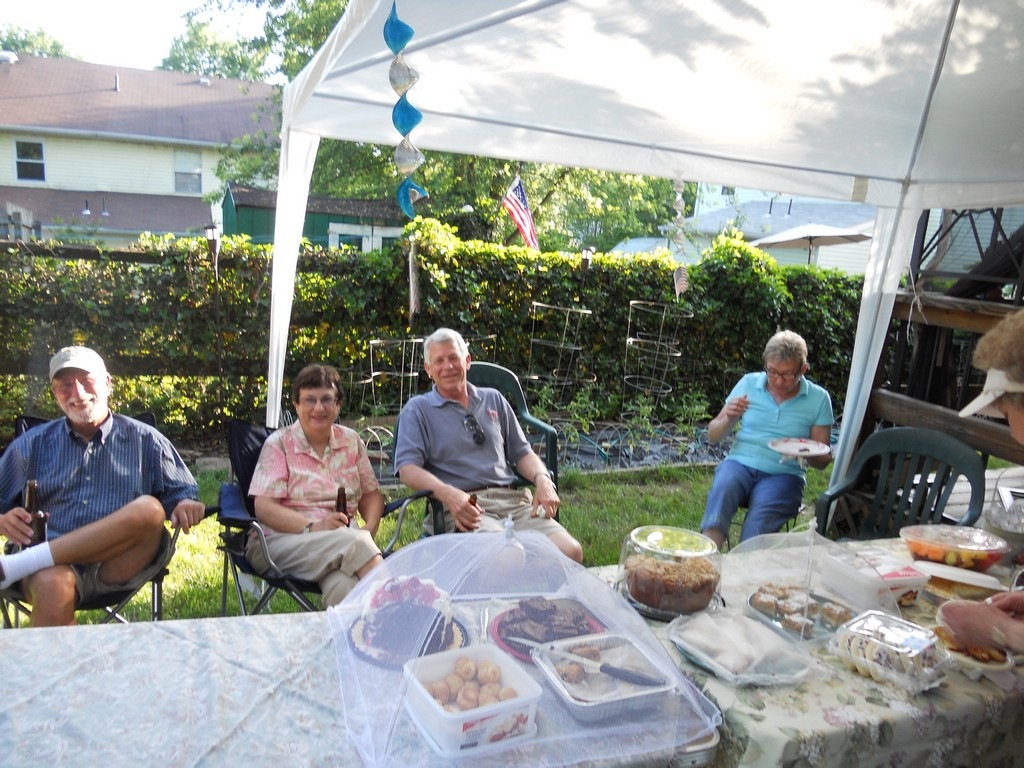
With that out of the way the business of eating, drinking and socializing commenced with a fury to cap off the day.

Those who lasted the whole day were Lew Phillips (’80 MGB), Dave and Gloria Schwab (’73 MGB), Paul and Evonna Phillips (’74 Midget, ’95 Saab), Logan Phillips and friend, Everett Criswel (’73 MGB GT), Warren and Nancy Doerner (’77 MGB), Tom and Jaimee Rippert (’53 TD), Dick and Sandy Suffredini (’52 TD), Adam and Eva Ilnicki (’73 MGB), Pat Patty Cawthorne (’58 MGA), Jerry and Lee Keller (TD), Chuck Denlinger (’53 TD), and Earl Wanklin (’05 Ford).

A few, unfortunately, could only play golf: Kris Phillips (’06 Subaru), Michelle Daciuk (’98 Chevy), and Rob Hoetlein with his wife, Maryellen, and daughter, Steph (’53 TD).

Louise Story (’72 MGB), John Hunt (’73 MGB), Bill and Linda Boorse (’76 MGB), Chuck and Judy Goelz (’56 MGA), and Ernie and Barbara Feldgus (’06 Porsche) joined in at the picnic.

Thank you all for attending and making this such a fun event to hold.

Posted in DVC Hosted, Events, Pictures | Comments Off on P&P Golf Outing, Non-Rallye, and Picnic – 2011

NAMGAR NEWSLETTER SUMMER 2011

Hi all – Hope you’re into lots of summer driving and chapter events.  Judging by your newsletters and chat rooms your chapter has either hosted a car show or planning on doing so shortly.  We have lots to report on, so here goes.

MG 2011 / GT 36 held last June 13 – 16 at Reno was a blast.  This was the fourth all MG event and we must say that most everything flowed rather nicely.  A terrific location and the NAMGAR affiliated Reno British Car Club did a great job of hosting.  There was time to do MG things, time to see Reno and its surrounds and time play those penny slots!  .

As a kick off prior to MG 2011 NAMGAR’s Chairman Bruce Woodson helped organize the Rallye To Reno which provided a venue for MG owners all along Route 50 to either drive onto Reno or to join in for a day or two.  A lot of MG friendships were established and for many MG owners it was their MG trip of a lifetime.

NAMGAR specific events at MG 2011 / GT 36 featured the Z Magnette Group’s (ZMG) Breakfast, NAMGAR’s Board Meeting, First Timer’s Reception, Register Night and a Lake Tahoe Tour and lunch.  This year as a prelude to the Wrap-up Banquet all registers held a register specific Preliminary Awards Ceremony.  In our humble opinion a brilliant idea, as that cuts down on a multi hours long grand awards ceremony that has plagued the previous all MG events.  Also, kudos to new NAMGAR Vice Chairman Carol Shamonsky for jumping into the “fire” feet first and acting like she’s been doing it for years.

Congratulations to the Columbia Gorge MGA Club for winning the initial NAMGAR GT Chapter Attendance Award.  It was our pleasure to present  the award to club president Keith Ansell and the many club members present at the Awards Ceremony.  What chapter will win this award at next year’s GT in Dayton, OH?  Start talking it up with your chapter now.

6th Annual Chapter & Interest Group Contacts Meeting – The meeting was held on Wednesday, June 15 from 3 – 5 PM in the El Dorado’s Board Room.  There were contacts from 21 chapters and 2 interest groups as well as the NAMGAR Board in attendance.  Here’s the highlights:

A. Status of Chapters and Interest Groups

1. There are currently 53 chapters and 7 interest groups affiliated with NAMGAR representing 28 states, 2 provence’s and 1 country.  In the last year 2 new chapters have become affiliated: Rhody MG Car Club & Florida Suncoast MG Car Club.

2. Web sites: 50 chapters and 2 interest groups have web sites.

3. Intra chapter / interest group communications: 24 chapters use snail mail, 16 chapters use Email or their web site, 8 chapters have no newsletter but use Email for event notification and 5 chapters use British Marque News as their primary means of communicating.  4 interest groups use 1 on 1 phone calls, 2 interest groups use Email chat rooms and 1 interest group uses a newsletter via Email.

4. Chapter membership ranges: under 100 members – 21 chapters, 100 to 250 members – 23 chapters, 250 – 350 members – 7 chapters and over 350 members – 2 chapters

B. Renkenberger Spirit Award: 4 chapters have requested this award in the last 12 months with a total of 9 awards since the awards inception in Nov 2008.  It’s free for chapters and interest groups so take advantage of it!  A copy of the guidelines are attached.

C. NAMGAR Web Site – Peter & Anne Tilbury, Web Site coordinators report that less than 50% of NAMGAR members have activated their profile.  Please ask your chapter’s or interest group’s NAMGAR members to activate their profiles if they have not.

D. Chapter / Interest Group Contacts / NAMGAR Board Discussion Points

1. Young Members: In order to attract young members some chapters provide free memberships to anyone under 25 years old.  The cost is minimal but the potential for acquiring and keeping younger members has paid off.

2. Free newsletters – Some chapters have taken the route of making their Email / web site newsletters available to the general public rather than having them password protected.  The thinking here is that the newsletter is used as a marketing tool for attracting new members.

3. Tech School Donations – Some chapters every couple of years purchase a “fixer upper” MGB and then donate the car to a local Tech School.  The chapters’ members then also donate their time in aiding in the restoration.  It’s a mentoring process that is good for both the students and the members.  Once the car is restored, it is then sold or raffled off with the proceeds going back to the school.

4. Chapter Newsletter Costs – A number of chapters have a double dues schedule.  Any member that still wants the newsletter sent to them via snail mail when the chapter has gone to electronic means is charged an extra $5 or $10 per year.

5. Local Cruise-in Nights – Yes they’re usually for hot rods and lead sleds but a number of chapters report that it’s a great venue to strike up conversations with people not familiar with MGs, especially younger people.  Toss in a demo ride and presto a new member.  Don’t forget to take along some of your club’s membership applications as well as some NAMGAR membership applications that you receive yearly from NAMGAR Registrar John Drake

6. General Public – The feeling amongst many chapters is that both NAMGAR and local chapters don’t do enough to bring a human touch to our events.  It was suggested that on the local level chapters need to get the word out about events through media sources such as print or TV.  What’s wrong with offering up a rallye or “other than British” category at your car show to the general public.  On a NAMGAR level, the GT should be PR’d to the general public so the goal is to try to get as many of the general public to the car show as possible.  Exposure is how you get interest, and interest is how you get new members.

7. Business Cards – Some chapters have a business card printed up and given out to their members for placement on MGs when they see one parked and don’t recognize it as a club member’s car.  The card carries the club’s logo, name and contact person’s phone # and the club’s web site.  They are carried in club members’ wallets so that they are always handy.

8. Insurance Information For Chapters

A. Event Insurance: All NAMGAR affiliated chapters receive complimentary event insurance.  Thus, your chapter is automatically covered when hosting chapter sanctioned shows.  Should the show site owner require an “addition insured” certificate, which is available at no additional cost, contact Bruce Woodson at chairman@namgar.com.  Please note that competitive moving events such as funkhanas, hill climbs, etc. may not be covered without special permits.

B. Directors & Officers Insurance: All chapters are encouraged to maintain a Directors 7 Officers Insurance policy.  This policy will protect said officers from unforeseen issues that could arise.  This IS NOT included in the complimentary event policy.  The cost is approximately $$150 for a one year policy.  Please have your Chapter President contact NAMGAR Chairman Bruce Woodson at chairman@namgar.com for more information regarding this important coverage.

NAMGAR Interest Group MG Vintage Racers (MGVR) – 30th Anniversary will be celebrated September 3 – 5 at Lime Rock, CT.  Go to www.limerock.com for details.

NAMGAR Regionals – Two great venues for getting together this fall.  Make plans now to attend with members of your club or interest group.

A. NAMGAR at Solomans Island, MD – September 28 – October 2 hosted by the Mid-Atlantic Chapter.  Go to www.mga-midatlantic.org for details or see the flyer in MGA!.

B. MG Fall Festival 2011 at Sonoma County, CA – September 29 – October 2, 2011 hosted by San Francisco Bay Area MG Owners Club Chapter.  Go to www.MGFallFestival.com for more information or see the flyer in MGA!.

C. 2012 Regionals –  How about your chapter stepping forth to host a regional in 2012.  Contact NAMGAR Vice Chairman Carol Shamonsky @ vicechair@namgar.com for details on how your club can host a NAMGAR Regional.

GT 37 “The Wright Place To Be” – Dayton, OH – July 9 – 13, 2012 – Hosted by the Southwestern Ohio Center MG Club.  GT 37 Coordinators Dave & Lois Gribler gave a great presenation with regard of what to expect at next year’s GT.  Needless to say, we’re going.  Are you?  Now’s the time to take up the challenge of getting your chapter ready to participate and win the NAMGAR Chapter GT Attendance Award.  Get GT 37 on your Club’s 2012 calendar.

Have an enjoyable remainder of the 2011 driving season.  May you all get on your special MG road and may all your drives be sunny.

Lee & Liz Niner – NAMGAR Chapter & Interest Group Coordinators

Posted in NAMGAR, Registries | Comments Off on NAMGAR NEWSLETTER SUMMER 2011

Rallye to Reno – 2011

wp_Can we go nowJune 3, 2011

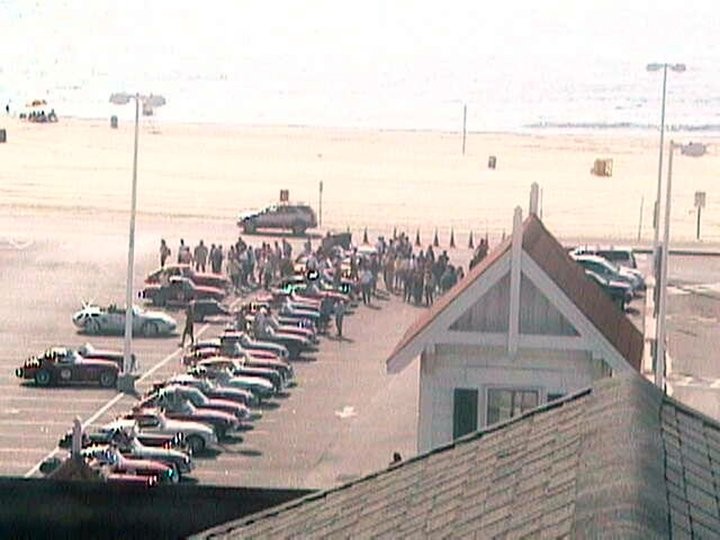
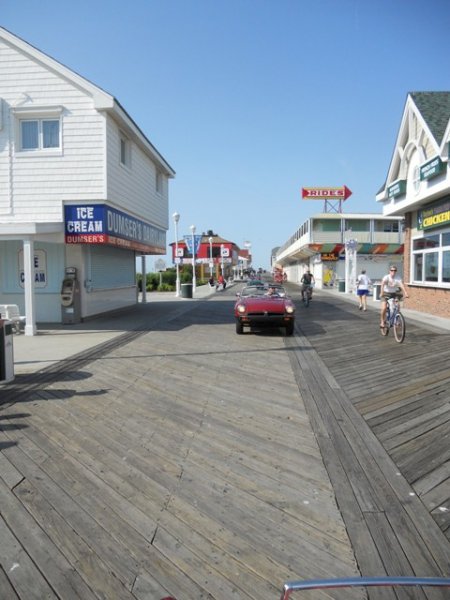
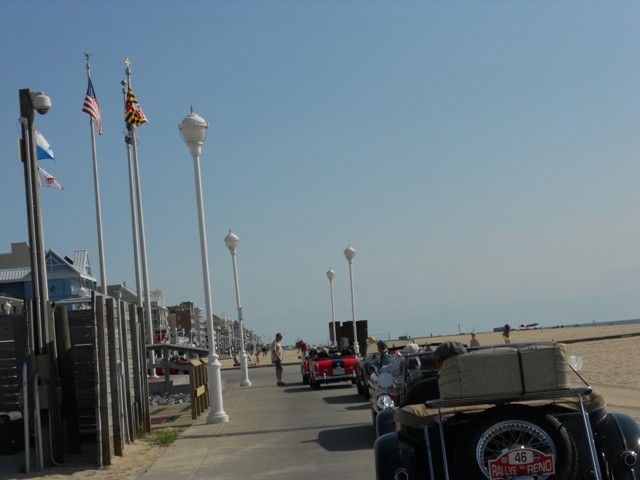
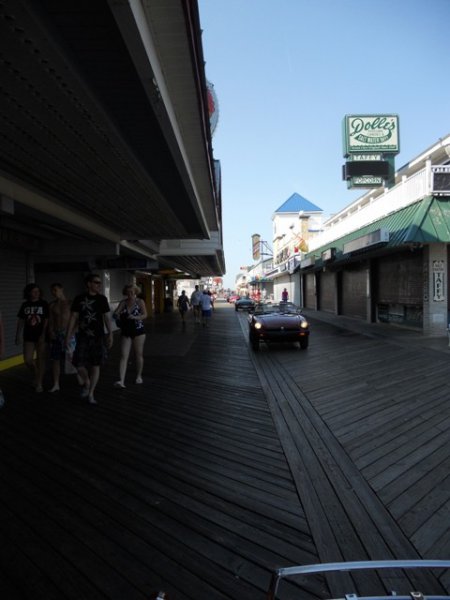
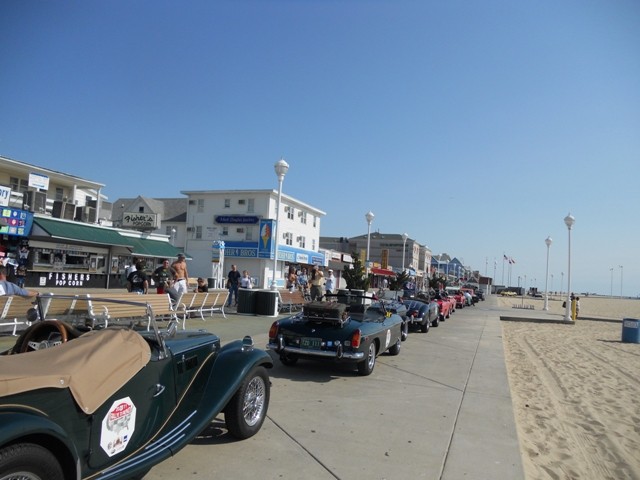
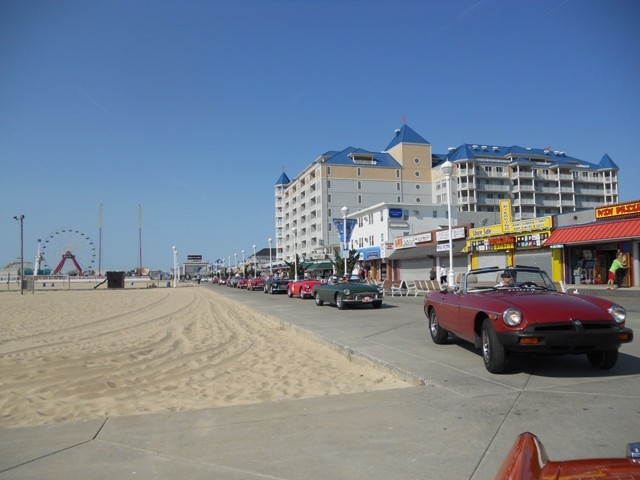
DVC Members Adam and Eva Ilnicki went down to the shore to see the Rallye to Reno participants off on their journey.  They traveled with them for the first 150 miles, before tearfully heading back north to home.  In the meantime, they were able to take some pictures which they have shared with us!

Posted in Other News, Pictures | Comments Off on Rallye to Reno – 2011

Memorial Day Picnic – 2011

wp_6 May 28, 2011

Dziekujemy za wspanialy piknik!

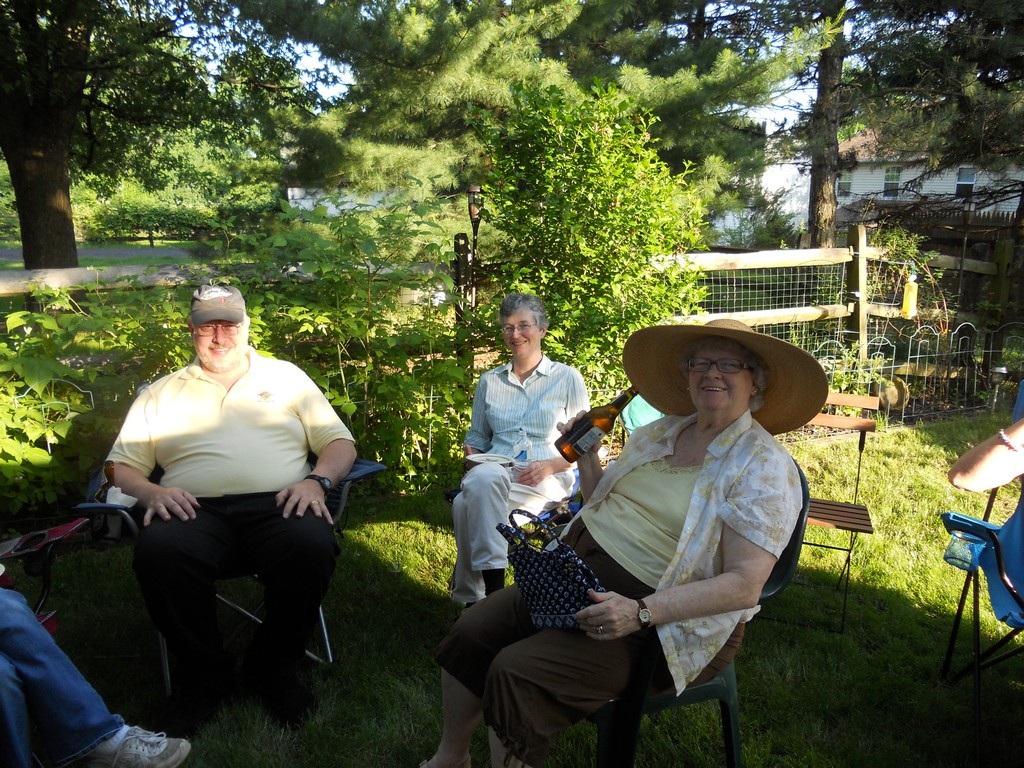
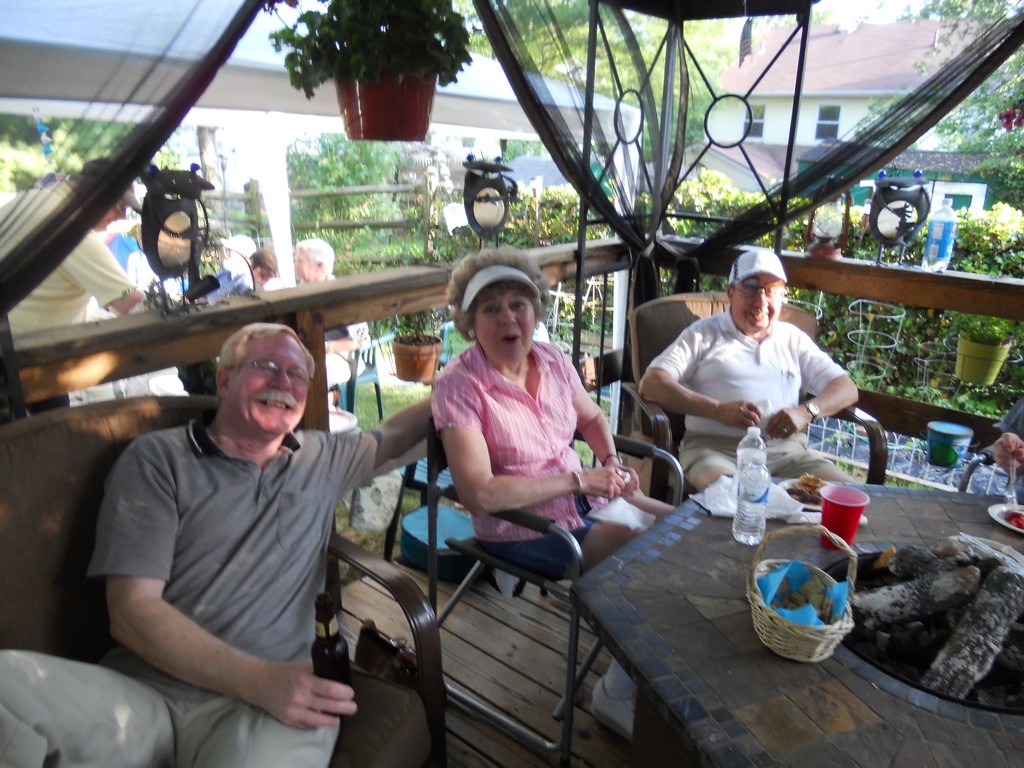
If you were at the Ilniki home in Harleysville on Saturday of Memorial Day weekend, you would definitely know that the above words mean, “Thank you for a wonderful picnic”.  Everyone who attended the picnic hosted by Adam and Eva Ilnicki enjoyed a fun-filled day with great drinks, delicious food and interesting conversation.   Adam was the Grand Chef of the Day, grilling smoked beef, pork and chicken as well as the best tasting kielbasa in town.  Beer was flowing and tasty appetizers and desserts brought by DVCrs hit the spot.  There was lots of shade on their back patio and in the yard, as well as a hot tub in case anyone felt the need to really cool off by getting wet!!   There were even guests from California to join in the fun, as Dick Suffredini’s brother, Pete, and his wife, Joan, were visiting from the west coast. And it was good to see “Hobbles”, making his way around casted up and using a walker.  For those of you who don’t know, Dave Schwab broke his ankle recently (I believe the story is that he stepped backwards into a hole) and God bless Gloria who is nursing him back to health.  We also heard the” O-Ward worthy” story of Dick’s adventure with his MGT, during the Wildwood weekend, thinking that he had a bad wheel bearing, and not looking forward to traveling home without his MG.   When investigating at Wolfie and Gudi’s place, the noise he experienced was only the grease cap that had come loose and was rattling.

The following were in attendance along with their car of choice:   Tom and Jaimee Rippert (2009 Mini “Buzz”),  Dick and Sandy Suffredini (2005 Jag), Pete and Joan Suffredini (2005 Jag), Gloria and David Schwab (1973 MG), Lew Phillips (’08 Tahoe), Bill and Evelyn Webb (74 l/2 MGB), Pat and Patti Cawthorne (in their brand-new 2011 Buick Lucerne), Chuck & Judy Goelz (1958 MGA), Chuck Denlinger (in his “Sorry” Truck), Paul and Evonna Phillips (1973 MGB GT), Jerry and Lee Keller (1953 MGT), Linda and Bill Boorse (MGB), Garth Gill (Dodge Sprint), Pat & Carmita Alzamora (MGB), Donna Bristol and Walt King (Jeep), and of course Adam and Eva with their 1974MGB.

Posted in DVC Hosted, Events, Pictures | Comments Off on Memorial Day Picnic – 2011

MG Sales Manual 1938 (Geoff Wheatley)

I recently was shown a copy of  The MG Salesman’s Manual dated December 1938.

Yes, even then the publicity department at either Cowley or Abingdon was on the ball providing excellent sales material to their dealers. The book was intended for the exclusive use of the salesman was never intended to be seen by the general public. It contains a host of interesting information on the options available for all the current MG vehicles, which were: MG 1.5 Liter Open Four Seater..MG 1.5 Liter Four Door Saloon…MG 1.5 Liter Folding Head Foursome. (Looks like a Tickford).  Then a repeat of these vehicles in a Two Liter, (Six Cylinder), Version. There is also a 2.6 Liter mentioned but no information on body style etc.

All the MG Two Liter cars feature the unique “Jackall” control. This is a built in device that operates a semi-automatic jacking system for use when the car has a flat tire
There is also a lot of technical data on each car that I suspect was required reading but not very useful when it came to clinching a sale . What is certainly interesting is that the salesman had a total of forty items that could be purchased from MG all fitted at the factory of course for a modest fee. This is a substantial list but I will mention a few extras that certainly caught my eye and indicated that what some people call after market are in fact direct MG equipment.

Bonnet Straps..Dipping Headlights..Fog Lamps..Hood Cover..Inspection Lamp..Reversing Lamp..Second Spare Wheel..Traficators..Radiator Shield..Philco Radio..Wood Fascia Dash..Brooklands Steering Wheel.. Racing Wind Shield for the would be sports enthused also the useless Brooklands version which we often see fitted today on various T Type vehicles.

Now for the most interesting feature of the factory options:  Color, you could have your car in what ever color you wanted for a few bucks more. On top of that metallic finish was also available but this was expensive compared with the normal finish. A metallic finish would cost around $36.00 based on the 1939 exchange rate of four US dollars to the British pound. Also the new owner could have a two tone finish but not in metallic, not quite sure why but a professional painter told me that it may have been because the cellulose paints of the day took a long time to dry which would make a two tone finish difficult. The term “Chosen by the Owner’, was featured with all the color options so much for all this talk about original factory colors from the arm chair experts who have read two books on the MG and know everything! You could also have your own choice of upholstery finish in leather or what ever. The famous Connolly Rage was available but this was expensive and took several weeks to complete on your new car.

Five colors were offered for the wheels of the vehicle but there was no information on what they might be except to say that the normal choice of black could be changed for one of the five available. As to be expected a charge of $10 would be made for this feature. A footnote stated that the new owner should be informed that a delay in the delivery of the vehicle could result when these factory options were purchased.

The options list was complied and registered as active from the end of 1938 and would apply for all the 1939 range of cars. It was obvious from the wording of the sales instruction material that these options had bee around for a number of years especially with the larger and of course expensive Saloon cars like the S.A and the W.A.

It should also be remembered that the annual Olympic Car Show took place each October so this Sales Brief would be useful when prospective buyers after visiting the show would descend on their local MG / Morris garage to talk with the sales people.

The quoted price for the 1939 MG series, again based on the 1939 rate of exchange at four US Dollars to the pound was: Midget Two Seater $880.00 Four Seater $1120.00 Four Door Saloon $1320.00 1.5 Liter $1556.00. No price quoted for the 2.0 Liter but the Folding Head Foursome was the most expensive at a cool $1876.00. All factory options were not subject to any local sales tax but the basic vehicle was. This tax charge was not universal; it only applied to certain metropolitan areas where heavy traffic was considered to be a drain on the local revenue. Example: In Edinbrough Scotland a vehicle tax was applied to residents of the city this was about $1.25 a year equal to the cost of a dog license at seven and six pence. Commercial vehicles paid about twice that amount.

This led to the majority of commercial vehicles be registered outside of the city limits, as always there is a loop hole in any regulations! The fair city of Oxford just a few miles from Abingdon has a tax levy based on the damage that motor vehicles inflicted on the ancient buildings of the city. In the late 1930s the city attempted to reduce this damage by taking up the main downtown road system and fitting rubber blocks to reduce the vibration. This was not a great success as the ability to stop when it was raining caused the insurance rates to soar through the roof! I recall the period when these blocks were being laid I was a small boy of around seven at the time and remember being fascinated by the whole procedure. You could smell the hot rubber blocks a mile away from the city center and of course this modification caused major traffic congestion. Central London did not have a local tax on vehicles despite the fact that the whole road system was never designed for motor vehicles as is the case today. Manchester in the north attempted to raise extra money this way but the local business interests soon stopped this proposal on the grounds that it would hinder normal commercial activity. The annual road tax imposed on all vehicle owners was created to develop a new road system for the British Isles and Northern Ireland. In reality it was simply another means of collecting money.

Less than twenty percent of this revenue was ever spent on improving the roads and city centers of the country.

If you wanted to build your own car the chassis was available for all the cars except the Midget. Prices ranged from $860.00 to $1200.00 This package included dash, with full equipment. Lamps..Unpainted wings..Spare Wheel..Petrol Tank. and standard bumper equipment what ever that may mean? If you also wanted the exclusive “Jackall” system fitted to your Saloon 1.5 Liter vehicle you paid an extra $25 to $40.  This seems inexpensive for such a useful system. It was not available for the Midget. It was standard on the 2.00 Liter Saloon and where required on the special larger Saloon.

There is a whole page devoted to the subject of performance. Quote; “As a matter of policy we do not quote any specific performance figures. We have also decided not to submit our cars to any road tests carried out by various motoring journalists, not only are some of these open to considerable criticism, but comparisons are often drawn between different makes of cars that can be totally misleading. These journals only take into consideration what a car will do, not how it does it” End of quote.

Now this is very interesting as up until that date the company had always pushed for good road reports in various motor publications including a favorable report in 1937 on the then almost new MGTA in a premier motor journal. Kimber was always looking for a friendly journalist to take to lunch in order to get free publicity. It would be fair to say that MG was built on this sort of activity and of course its race performance until Cowley decided to disband the Factory Race Crew and withdraw from all compitions after the reorganization of 1936 under new senior management. It is obvious that the utility policy imposed by this new management structure was to be strongly enforced for 1939 and the future. It is open knowledge that the strong relationship between Kimberly and Billy Morris had waned since the reorganization of the Morris Empire took place and Billy stepped down from the Managing Directors slot and simply became Chairman. On top of that MG was now simply part of the Morris Motors operation where as before it was a private company that belonged to Morris who ensured that it survived even when it was in the red as it was from time to time.

The fitted tray for the tools in the saloon gets a special mention as a strong selling point. Also the open front windscreen and adjustable steering wheel. Also worth mention is the fitted tool tray for the Midget under the bonnet; this seems to be a standard feature as it is not mentioned as an option. There are four pages of the correct answers to specific questions, Example: “Do the MG Company alter their range of models every year?” Answer: NO. Question: “What production methods are used at Abingdon?”
Answer: Individual production method! (A touch of the double speak, double talk, there!)
Question: “Is MG going to have an independent race team again? Answer: Extremely doubtful there is no strong motive for such activity. The next one is truly interesting and obviously results from comments in the motor media on the need for better suspension on MG and Morris vehicles. Question: “Why is it that the MG Company does not feature independent suspension systems on their vehicles?” Answer: The Company is of the opinion that development has not yet reached a stage where it is really practical.
(It is interesting to note that at that time the majority of British and American cars featured some form of independent suspension at that time. It should also be noted that Issy Issigonis had already developed a very successful independent system that was eventually used on the TD and the MGY series in the Post war years. The reason why this system was not featured in the 1939 series was the reactionary attitude of Lord Nuffield who was against such new money wasting devices. It is similar to the attitude of Kimber towards hydraulic beaks in the mid thirties although his reluctance resulted from the idea that they could easily fail! When MG eventually came under the direct control of Morris Motors Abingdon was forced to use the standard Morris hydraulic system and of course many standard items from the Morris range of vehicles as a cost cutting procedure.

My last selected question and answer is informative. Question:” Why has the term Sports Car been dropped for the Midget?” (None of the advertising for the Midget featured the term from 1938.) Answer: Because of the attitude of the insurance companies towards this type of car. In reality it is a sports vehicle but, unlike our competitors we no longer use that term in order to save our customers extra insurance payments.  (A nice marketing line that should impress any would be purchaser.)

Obviously this was a useful tool for any salesperson and once again showed that the Morris people were well ahead of the game when it came to promotion. As early as 1931 Morris was utilizing movie promotional films and was, like his idol Henry Ford allocating advertising budgets to premier Advertising Agencies. He also paid his workers above the national wage rate as did Ford, and offered a “Pay as you Drive”, system through his Morris Garage outlets. If you were a worker at one of his factories you could easily own a vehicle on attractive payment terms. Why?.. Simple, the more Morris cars that were on the road the better the image of a popular vehicle. As a small boy I did wonder why my father and all of his working friends had a Morris car when the majority of other none Morris employees seemed to ride bikes. He told me years later that the company deducted ten shillings a week, (about two US dollars) to pay for his car which was sold to the employee at the dealer’s wholesale price. It was also a good way to keep the employees that you needed.

Geoff Wheatley 2011


I recently was shown a copy of  The MG Salesman’s Manual dated December 1938.

Yes, even then the publicity department at either Cowley or Abingdon was on the ball providing excellent sales material to their dealers. The book was intended for the exclusive use of the salesman was never intended to be seen by the general public. It contains a host of interesting information on the options available for all the current MG vehicles, which were: MG 1.5 Liter Open Four Seater..MG 1.5 Liter Four Door Saloon…MG 1.5 Liter Folding Head Foursome. (Looks like a Tickford). Then a repeat of these vehicles in a Two Liter, (Six Cylinder), Version. There is also a 2.6 Liter mentioned but no information on body style etc.

All the MG Two Liter cars feature the unique “Jackall” control. This is a built in device that operates a semi-automatic jacking system for use when the car has a flat tire

There is also a lot of technical data on each car that I suspect was required reading but not very useful when it came to clinching a sale . What is certainly interesting is that the salesman had a total of forty items that could be purchased from MG all fitted at the factory of course for a modest fee. This is a substantial list but I will mention a few extras that certainly caught my eye and indicated that what some people call after market are in fact direct MG equipment.

Bonnet Straps..Dipping Headlights..Fog Lamps..Hood Cover..Inspection Lamp..Reversing Lamp..Second Spare Wheel..Traficators..Radiator Shield..Philco Radio..Wood Fascia Dash..Brooklands Steering Wheel.. Racing Wind Shield for the would be sports enthused also the useless Brooklands version which we often see fitted today on various T Type vehicles.

Now for the most interesting feature of the factory options: Color, you could have your car in what ever color you wanted for a few bucks more. On top of that metallic finish was also available but this was expensive compared with the normal finish. A metallic finish would cost around $36.00 based on the 1939 exchange rate of four US dollars to the British pound. Also the new owner could have a two tone finish but not in metallic, not quite sure why but a professional painter told me that it may have been because the cellulose paints of the day took a long time to dry which would make a two tone finish difficult. The term “Chosen by the Owner’, was featured with all the color options so much for all this talk about original factory colors from the arm chair experts who have read two books on the MG and know everything! You could also have your own choice of upholstery finish in leather or what ever. The famous Connolly Rage was available but this was expensive and took several weeks to complete on your new car.

Five colors were offered for the wheels of the vehicle but there was no information on what they might be except to say that the normal choice of black could be changed for one of the five available. As to be expected a charge of $10 would be made for this feature. A footnote stated that the new owner should be informed that a delay in the delivery of the vehicle could result when these factory options were purchased.

The options list was complied and registered as active from the end of 1938 and would apply for all the 1939 range of cars. It was obvious from the wording of the sales instruction material that these options had bee around for a number of years especially with the larger and of course expensive Saloon cars like the S.A and the W.A.

It should also be remembered that the annual Olympic Car Show took place each October so this Sales Brief would be useful when prospective buyers after visiting the show would descend on their local MG / Morris garage to talk with the sales people.

The quoted price for the 1939 MG series, again based on the 1939 rate of exchange at four US Dollars to the pound was: Midget Two Seater $880.00 Four Seater $1120.00 Four Door Saloon $1320.00 1.5 Liter $1556.00. No price quoted for the 2.0 Liter but the Folding Head Foursome was the most expensive at a cool $1876.00. All factory options were not subject to any local sales tax but the basic vehicle was. This tax charge was not universal; it only applied to certain metropolitan areas where heavy traffic was considered to be a drain on the local revenue. Example: In Edinbrough Scotland a vehicle tax was applied to residents of the city this was about $1.25 a year equal to the cost of a dog license at seven and six pence. Commercial vehicles paid about twice that amount.

This led to the majority of commercial vehicles be registered outside of the city limits, as always there is a loop hole in any regulations! The fair city of Oxford just a few miles from Abingdon has a tax levy based on the damage that motor vehicles inflicted on the ancient buildings of the city. In the late 1930s the city attempted to reduce this damage by taking up the main downtown road system and fitting rubber blocks to reduce the vibration. This was not a great success as the ability to stop when it was raining caused the insurance rates to soar through the roof! I recall the period when these blocks were being laid I was a small boy of around seven at the time and remember being fascinated by the whole procedure. You could smell the hot rubber blocks a mile away from the city center and of course this modification caused major traffic congestion. Central London did not have a local tax on vehicles despite the fact that the whole road system was never designed for motor vehicles as is the case today. Manchester in the north attempted to raise extra money this way but the local business interests soon stopped this proposal on the grounds that it would hinder normal commercial activity. The annual road tax imposed on all vehicle owners was created to develop a new road system for the British Isles and Northern Ireland. In reality it was simply another means of collecting money.

Less than twenty percent of this revenue was ever spent on improving the roads and city centers of the country.

If you wanted to build your own car the chassis was available for all the cars except the Midget. Prices ranged from $860.00 to $1200.00 This package included dash, with full equipment. Lamps..Unpainted wings..Spare Wheel..Petrol Tank. and standard bumper equipment what ever that may mean? If you also wanted the exclusive “Jackall” system fitted to your Saloon 1.5 Liter vehicle you paid an extra $25 to $40. This seems inexpensive for such a useful system. It was not available for the Midget. It was standard on the 2.00 Liter Saloon and where required on the special larger Saloon.

There is a whole page devoted to the subject of performance. Quote; “As a matter of policy we do not quote any specific performance figures. We have also decided not to submit our cars to any road tests carried out by various motoring journalists, not only are some of these open to considerable criticism, but comparisons are often drawn between different makes of cars that can be totally misleading. These journals only take into consideration what a car will do, not how it does it” End of quote.

Now this is very interesting as up until that date the company had always pushed for good road reports in various motor publications including a favorable report in 1937 on the then almost new MGTA in a premier motor journal. Kimber was always looking for a friendly journalist to take to lunch in order to get free publicity. It would be fair to say that MG was built on this sort of activity and of course its race performance until Cowley decided to disband the Factory Race Crew and withdraw from all compitions after the reorganization of 1936 under new senior management. It is obvious that the utility policy imposed by this new management structure was to be strongly enforced for 1939 and the future. It is open knowledge that the strong relationship between Kimberly and Billy Morris had waned since the reorganization of the Morris Empire took place and Billy stepped down from the Managing Directors slot and simply became Chairman. On top of that MG was now simply part of the Morris Motors operation where as before it was a private company that belonged to Morris who ensured that it survived even when it was in the red as it was from time to time.

The fitted tray for the tools in the saloon gets a special mention as a strong selling point. Also the open front windscreen and adjustable steering wheel. Also worth mention is the fitted tool tray for the Midget under the bonnet; this seems to be a standard feature as it is not mentioned as an option. There are four pages of the correct answers to specific questions, Example: “Do the MG Company alter their range of models every year?” Answer: NO. Question: “What production methods are used at Abingdon?”

Answer: Individual production method! (A touch of the double speak, double talk, there!)

Question: “Is MG going to have an independent race team again? Answer: Extremely doubtful there is no strong motive for such activity. The next one is truly interesting and obviously results from comments in the motor media on the need for better suspension on MG and Morris vehicles. Question: “Why is it that the MG Company does not feature independent suspension systems on their vehicles?” Answer: The Company is of the opinion that development has not yet reached a stage where it is really practical.

(It is interesting to note that at that time the majority of British and American cars featured some form of independent suspension at that time. It should also be noted that Issy Issigonis had already developed a very successful independent system that was eventually used on the TD and the MGY series in the Post war years. The reason why this system was not featured in the 1939 series was the reactionary attitude of Lord Nuffield who was against such new money wasting devices. It is similar to the attitude of Kimber towards hydraulic beaks in the mid thirties although his reluctance resulted from the idea that they could easily fail! When MG eventually came under the direct control of Morris Motors Abingdon was forced to use the standard Morris hydraulic system and of course many standard items from the Morris range of vehicles as a cost cutting procedure.

My last selected question and answer is informative. Question:” Why has the term Sports Car been dropped for the Midget?” (None of the advertising for the Midget featured the term from 1938.) Answer: Because of the attitude of the insurance companies towards this type of car. In reality it is a sports vehicle but, unlike our competitors we no longer use that term in order to save our customers extra insurance payments. (A nice marketing line that should impress any would be purchaser.)

Obviously this was a useful tool for any salesperson and once again showed that the Morris people were well ahead of the game when it came to promotion. As early as 1931 Morris was utilizing movie promotional films and was, like his idol Henry Ford allocating advertising budgets to premier Advertising Agencies. He also paid his workers above the national wage rate as did Ford, and offered a “Pay as you Drive”, system through his Morris Garage outlets. If you were a worker at one of his factories you could easily own a vehicle on attractive payment terms. Why?.. Simple, the more Morris cars that were on the road the better the image of a popular vehicle. As a small boy I did wonder why my father and all of his working friends had a Morris car when the majority of other none Morris employees seemed to ride bikes. He told me years later that the company deducted ten shillings a week, (about two US dollars) to pay for his car which was sold to the employee at the dealer’s wholesale price. It was also a good way to keep the employees that you needed.

Geoff Wheatley 2011

Posted in Special Interest | Comments Off on MG Sales Manual 1938 (Geoff Wheatley)